













Logistics Magazine - News Article
Nothing Moves Without Logistics, including clean energy
The UK’s net zero ambitions depend on a steady, reliable flow of heavy, complex components arriving at precisely the right time and place. In the clean energy sector, that means transporting giant transformers, generators, subsea cables, and large component parts for offshore wind, nuclear, battery storage, solar and interconnector projects.
These are often abnormal indivisible loads, so large they cannot be dismantled for easier transport. A single transformer for an electricity interconnector can weigh 250–300 tonnes. Offshore wind turbines can exceed 500 tonnes in total weight, with each blade stretching 80–100 metres.
Nothing Moves Without Logistics: The movie
{^widget|(videourl)https%3a%2f%2fwww.youtube.com%2fwatch%3fv%3dsS94rFeFKPI|(name)YouTubeVideo|(autoplay)False|(widget_displayname)YouTube+video|(width)800|(height)355^}
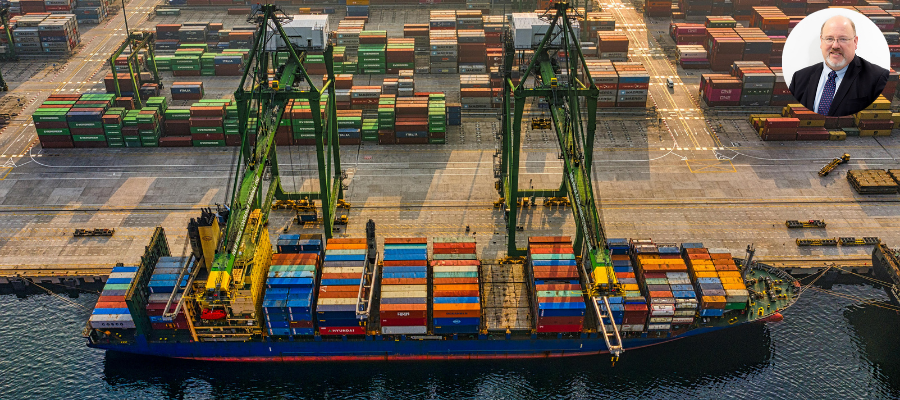
Most are manufactured overseas and arrive in the UK via specialist heavy-lift vessels, such as the unique sea-going barge operated by Robert Wynn & Sons. Port choice is dictated by government policy and available infrastructure, not just geography, and innovative solutions such as beach landings and inland waterways are increasingly used to cut road mileage and reduce disruption.
Without better coordination and dialogue between transport and energy departments, delays to critical projects will grow.
“It’s becoming more and more challenging to move these big pieces of equipment because much of the infrastructure was never designed to accommodate loads of this size.” Tim West, Director, Robert Wynn & Sons.
The government’s clean power mission demands unprecedented year-on-year growth in renewable energy generation. Achieving this means faster permitting, better last-mile infrastructure, and greater use of short sea shipping and inland waterways. In short, the clean energy sector cannot move forward without efficient logistics.
“Only through collaboration between transport and energy departments within government and in turn the coordination of multiple stakeholders will the net zero aspiration be achieved.” says Tim West.
These are the policy priorities we are sharing with policy makers to enable the logistics sector to boost clean energy
-
Better road, rail and waterway infrastructure to connect ports and energy sites
-
Streamlined and sustainable approach to abnormal load route approvals
-
More component assembly in the UK
-
Skills investment
To read more, visit.
To discuss how logistics can drive growth across the whole economy, contact: [email protected]
More Logistics Magazine - News Article Articles


Related Pages
Check out more news and media
Discover More

Become a Member
Our membership packages provide you with the tools to keep your operation safe, efficient and compliant.
Learn more

Press Releases
Latest updates, insights, and expert commentary shaping the future of logistics, transport, and supply chains across the UK.
Learn more

Services
Discover the full range of services from Logistics UK, designed to keep your operation safe, efficient, and compliant.
Services

Events
Discover upcoming Logistics UK events designed to bring industry leaders, policymakers, and businesses together.
Events


Stay Ahead. Stay Compliant. Stay Connected.
Join thousands of logistics professionals using Logistics UK to navigate industry change with confidence.
Join Us