













Logistics Magazine - News Article
Middle East: Working for our members – webinars announced
With the conflict in the Middle East ongoing, and significant impacts to global supply chains triggering a repricing in global energy markets, the logistics industry is being directly impacted by the cost of fuel, shipping and air freight rates as well as wider disruptions.
To support our members at this time, we are focused on three priorities:
– Sharing what we are hearing from government and others. This is supported by weekly calls we have established with government officials and the leaders of other trade associations in the logistics sector, as well as regular engagement with the CBI and others.
– Informing government and other key stakeholders of the impact of the conflict on our sector, including ensuring the critical nature of logistics is understood and reflected in policy development and contingency planning.
– Urging government to provide support to our sector to manage the crisis, to protect logistics resilience and prevent further inflationary pressure on the wider economy at a time when the global economy is so disrupted.
To keep members informed, since the start of the conflict, we have produced a weekly update, which is shared via enews.
The update monitors the impact of the conflict in the Middle East on the Strait of Hormuz, Red Sea and global liner and container shipping and air freight, as well as the impact on fuel availability and supply.
Members can read the latest update here.
Enews also includes key messaging from government, which is shared from our weekly calls with officials to establish the latest updates and government positions.
To further support our members, we are hosting two webinars this month.
Middle East conflict and logistics – member webinar Wednesday 22 April, 13:00-14:00
This webinar, led by CEO Ben Fletcher, will provide an opportunity to hear our analysis of the impact of the conflict and how we are responding. It will also give members the chance to share how the situation is affecting businesses now, and how members expect it to affect them in the coming weeks and months.
Members can register here.
Middle East conflict and fuel costs – member webinar Tuesday 28 April, 11:00-12:00
This webinar will highlight insight and data to help logistics businesses manage fuel costs. It will include speakers from Portland Fuel and MyAutomate and will be an opportunity to ask questions.
Members can register here.
Members are encouraged to hold the date in diaries until further details, including registrations, being available soon.
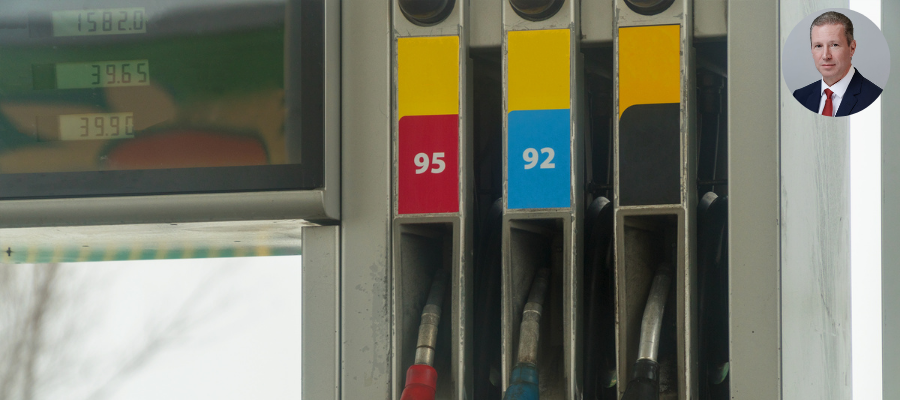
For our second priority, we have shared with government and others that fuel costs are the most challenging issue, including diesel and HVO, which is disproportionately affecting smaller operators without reserves or bulk-buy contracts.
We have also been clear that, whether members have fuel surcharge arrangements with customers or not, this cost will ultimately be passed on to logistics customers and consumers.
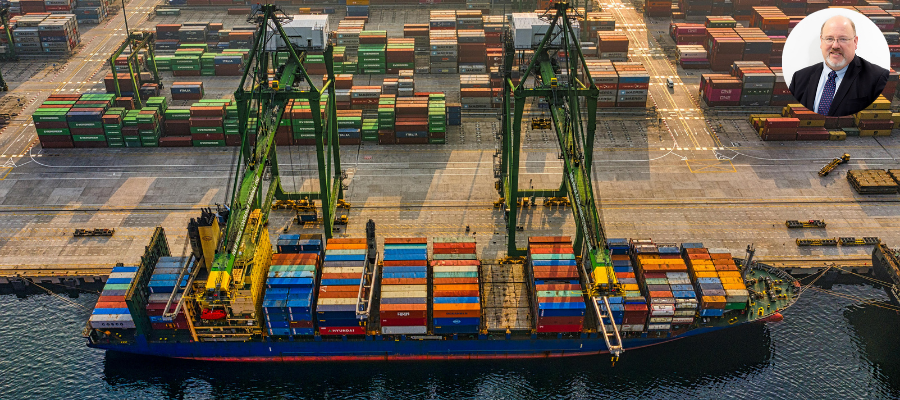
In addition, we have explained that the conflict is having a broader impact on supply chains, including impacts on container shipping and air freight, leading to concerns about supplies of time-sensitive goods, such as pharmaceuticals, and managing upcoming seasonal peaks in demand.
We have been raising awareness on the impact of the situation around the Strait of Hormuz on supply chains through media work, including speaking on BBC Breakfast and through interviews at LBC News.
On our third priority, we are urging the Chancellor not to increase fuel duty by 5p per litre, as she currently plans to begin doing from September. However, we are conscious that this conflict is causing pressures in other areas too, and we are therefore considering calling for broader support.
We have also been clear that government must formally recognise the logistics sector as an essential function within its fuel resilience planning. While there is currently no evidence of issues with supply, it is right that government is undertaking contingency planning in the event that there is. We are working to ensure that, in any such plans, logistics is treated as a single sector, and that we are not inhibited by attempts to prioritise certain types of freight movements over others, which could be incredibly complex and disruptive.
To support our work in this area, we have been collecting member feedback on industry experiences via an initial short form and now through our quarterly Logistics Performance Tracker survey. The survey is an opportunity to share member experiences and is used to inform conversations with the Department for Business and Trade and Department for Transport to ensure the industry voice is represented.
Members can complete the short survey on SurveyMonkey here, or via Microsoft Forms here.
Member input is critical to ensure we are sharing accurate and up to date information with key stakeholders, seeking the support that is needed.
Logistics UK will continue to represent, inform and support members at this challenging time.
More Logistics Magazine - News Article Articles


Related Pages
Check out more news and media
Discover More

Become a Member
Our membership packages provide you with the tools to keep your operation safe, efficient and compliant.
Learn more

Press Releases
Latest updates, insights, and expert commentary shaping the future of logistics, transport, and supply chains across the UK.
Learn more

Services
Discover the full range of services from Logistics UK, designed to keep your operation safe, efficient, and compliant.
Services

Events
Discover upcoming Logistics UK events designed to bring industry leaders, policymakers, and businesses together.
Events


Stay Ahead. Stay Compliant. Stay Connected.
Join thousands of logistics professionals using Logistics UK to navigate industry change with confidence.
Join Us