













Logistics Magazine - News Article
Avoid tax on logistics – Logistics UK submits Budget asks
Logistics costs are embedded in everything we buy, from food and medicines to construction materials and consumer goods, so rising taxes on our sector, whether through fuel duty, employer National Insurance Contributions (NICs) or business rates directly translate into higher prices for households and businesses.
The recent rise in employer NICs will cost the logistics sector an estimated £1.7 billion this year, as it employs 2.7 million people, 8% of the UK workforce. Any further increases in employment costs would be a direct tax on jobs, damaging competitiveness and investment in skills.
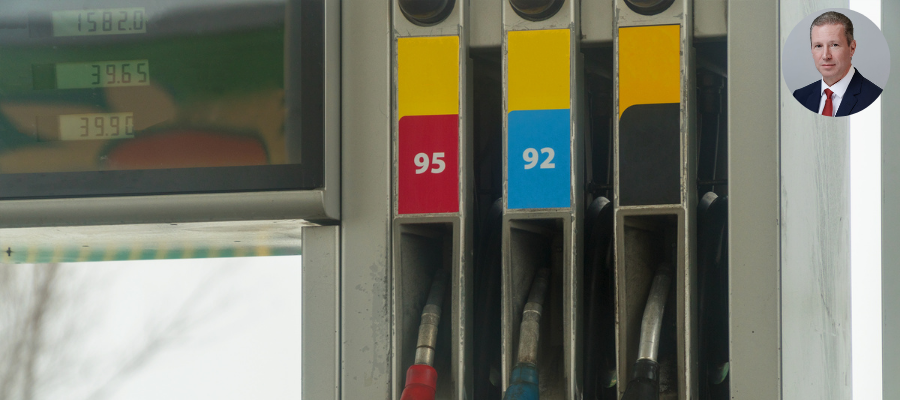
Fuel duty is another major pressure, and we are calling for the 5 pence per litre (ppl) cut to remain in place beyond March 2026. The logistics industry already pays more than £5 billion each year, over 20% of all fuel duty collected by HMRC, with fuel accounting for around a third of the cost of operating a 44-tonne HGV.
A rise in fuel duty would risk driving up inflation and harming the health and competitiveness of the sector, hitting smaller operators hardest which often lack contracts to enable them to pass the cost of fuel to their customers.
In the Logistics Industry Survey, conducted earlier this year, we asked businesses for their priorities, and 61.4% of respondents said cutting fuel duty is the most important action the government could take.
We also urge the government to work with our sector on a long-term fiscal roadmap for road pricing and vehicle taxation. Any new approach must consider that logistics works as a system – with logistics operators needing to make rational decisions over transport modes, to move goods in the most safe, sustainable and efficient way.
Business rates are also a significant fixed cost for logistics. Warehouses, distribution centres and logistics hubs across the country face rising bills, with proposals for a higher multiplier on properties with a rateable value (RV) above £500,000 set to disproportionately affect our sector. This will add millions to operators’ costs, which will ultimately be passed on through supply chains to retailers and consumers.
We therefore urge the Treasury to ensure reforms to the business rates system protect investment in logistics infrastructure and do not create additional inflationary pressures.
More Logistics Magazine - News Article Articles


Related Pages
Check out more news and media
Discover More

Become a Member
Our membership packages provide you with the tools to keep your operation safe, efficient and compliant.
Learn more

Press Releases
Latest updates, insights, and expert commentary shaping the future of logistics, transport, and supply chains across the UK.
Learn more

Services
Discover the full range of services from Logistics UK, designed to keep your operation safe, efficient, and compliant.
Services

Events
Discover upcoming Logistics UK events designed to bring industry leaders, policymakers, and businesses together.
Events


Stay Ahead. Stay Compliant. Stay Connected.
Join thousands of logistics professionals using Logistics UK to navigate industry change with confidence.
Join Us