












Logistics Magazine - Features Article
Nothing moves without logistics, including the creative industries
The UK’s creative and events industries rely on highly specialised, time-critical logistics
From single-hall exhibitions at the NEC and major shows at ExCeL London to large German Messe venues and global sporting events such as the Commonwealth Games, Olympics and football World Cups, none of it happens without the precise movement of equipment, displays and staging. Every event has a fixed opening date, and build-up and breakdown windows must run exactly to schedule.
Kuehne+Nagel is one of the official logistics partners supporting these events. As Andy Blundell puts it: “Events need to happen, logistics need to happen to make those events.”
Event logistics is inherently multimodal. Goods move by air when deadlines are tight, by road for most European movements, and by sea when timelines allow. Kuehne+Nagel supports exhibitors, sponsors, stand builders and organisers, moving everything from tanks, military aircraft and satellites to refrigerators and microwaves for consumer events.
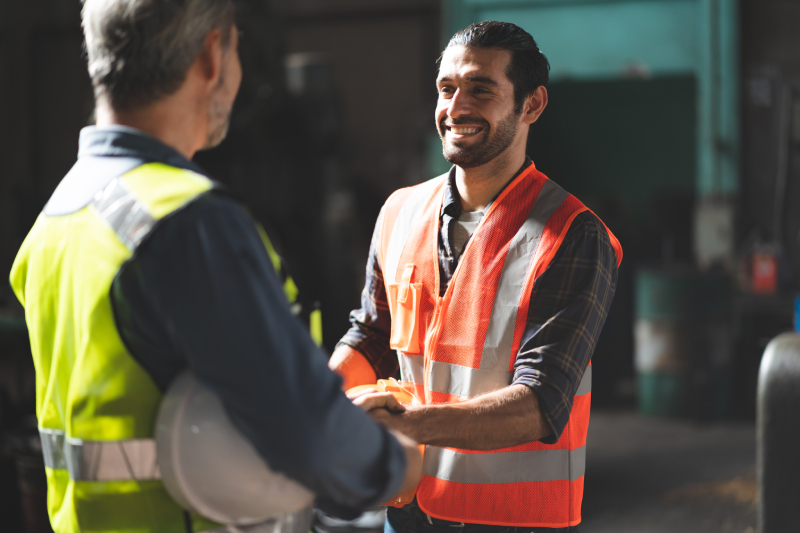
A major differentiator in this sector is the on-site component. During the narrow bump-in period, goods must reach the exact stand location at a precise time. At a recent ExCeL London event, Kuehne+Nagel handled 200–300 vehicles per day, using digital booking systems, traffic management and temporary advance warehouses that receive, store, track and release goods. These facilities also manage empty case storage, collecting and holding empty crates until breakdown.
“There’s a buzz within event logistics,” explained Blundell, “You’ve got that day, it’s fast paced, it’s slick. There’s lots of things going on, there’s lots of complexity to deal with.”
International movements add further pressure. Road freight into Europe is critical for UK exhibitors, and border delays can disrupt entire schedules. “Any impacts at the crossing severely impact our industry,” Blundell says.
Event logistics requires resilience, technical capability and project-management skills, yet recruitment remains challenging – even for high-profile events. Innovation is therefore essential, including integrated digital ecosystems, digital traffic-management tools, EV trucks, HVO-powered forklifts and emerging digital ATA carnets.
In short: nothing moves without logistics, including the creative industries.
Policy priorities to enable the logistics sector to boost the creative industries:
- Early consultation with the event logistics industry on any policy, customs, import/export or regulatory changes that affect crossings or timeframes.
- Predictable UK–EU border operations for road freight, to prevent delays that disrupt time-critical event schedules.
- Recognition of the specialist skills required in event logistics, and support for training and development for new entrants to the sector.
- Support for traffic management and on-site operational needs at major venues, where high volumes of vehicles require coordinated scheduling and safe, regulated handling.
More Logistics Magazine - Features Article Articles


Related Pages
Check out more news and media
Discover More

Become a Member
Our membership packages provide you with the tools to keep your operation safe, efficient and compliant.
Learn more

Press Releases
Latest updates, insights, and expert commentary shaping the future of logistics, transport, and supply chains across the UK.
Learn more
Services
Discover the full range of services from Logistics UK, designed to keep your operation safe, efficient, and compliant.
Services

Events
Discover upcoming Logistics UK events designed to bring industry leaders, policymakers, and businesses together.
Events
Stay Ahead. Stay Compliant. Stay Connected.
Join thousands of logistics professionals using Logistics UK to navigate industry change with confidence.
Join Us