













Campaigns
Fair transition to a green economy
The logistics sector is embracing the decarbonisation agenda and is committed to playing its part to help the UK achieve net zero, helping create the opportunity for the UK to be a leader in green innovation and investment. However, the agenda is raising urgent questions over the energy infrastructure required to support a fair transition to a green economy – inhibiting private sector investment.
Businesses need support now with the higher costs associated with operating zero emission vehicles and using low carbon fuels. In addition, any environmental charges on logistics must consider whether they assist or hinder a reduction in emissions.
For the longer term, greater visibility of the government’s plans for energy infrastructure, innovation funding and regulatory and tax incentives is required, to give businesses the confidence to invest in the transition at pace.
Key Facts:
- Low carbon fuels can provide a viable option for immediately reducing emissions from logistics by 80%, including where battery is not a current option and given many logistics vehicles have a long life
- 800 miles of additional electrification is needed in the UK to enable 95% of rail freight to be electrically hauled
- Sustainable Aviation Fuel has the ability to reduce emissions by up to 70%
- Ships account for 60% of emissions at ports and shore power – electrical connections for ships at berth – could play a major role in reducing these emissions
For the short-term, we are calling for:
- Tax incentives, regulatory changes and investment to increase the uptake of green technologies available now:
- Low carbon fuels across all transport modes.
- Electric vehicles and a public charging network.
- Depot charging and required asset extensions.
- Reform of regulatory electric vehicle weight thresholds, training and vehicle inspection regimes to avoid regulatory conflict and to encourage electric vehicle uptake.
- Rail electrification.
- A fair approach to charges on logistics to ensure they support decarbonisation and emissions reduction rather than lengthen journeys or add cost and inefficiency – which inhibits investment in the green transition.
- The introduction of a dynamic mechanism for Fuel Duty that, in periods of inflation, enables the Treasury to keep Fuel Duty down by taking into account its tax receipts from VAT and other sources – to ensure the sector’s funds can be focused on decarbonisation.
For the long-term, we are calling for:
- A national logistics transport and energy network and model for urban logistics, backed by reforms to infrastructure planning, local planning and innovation funding to deliver a joined-up 30-year plan, with five-year delivery plans. This must cover the energy infrastructure required for all freight transport modes, as well as fair pricing and taxation to support the delivery of goods in the most productive, strategic and green way.
Featured Report
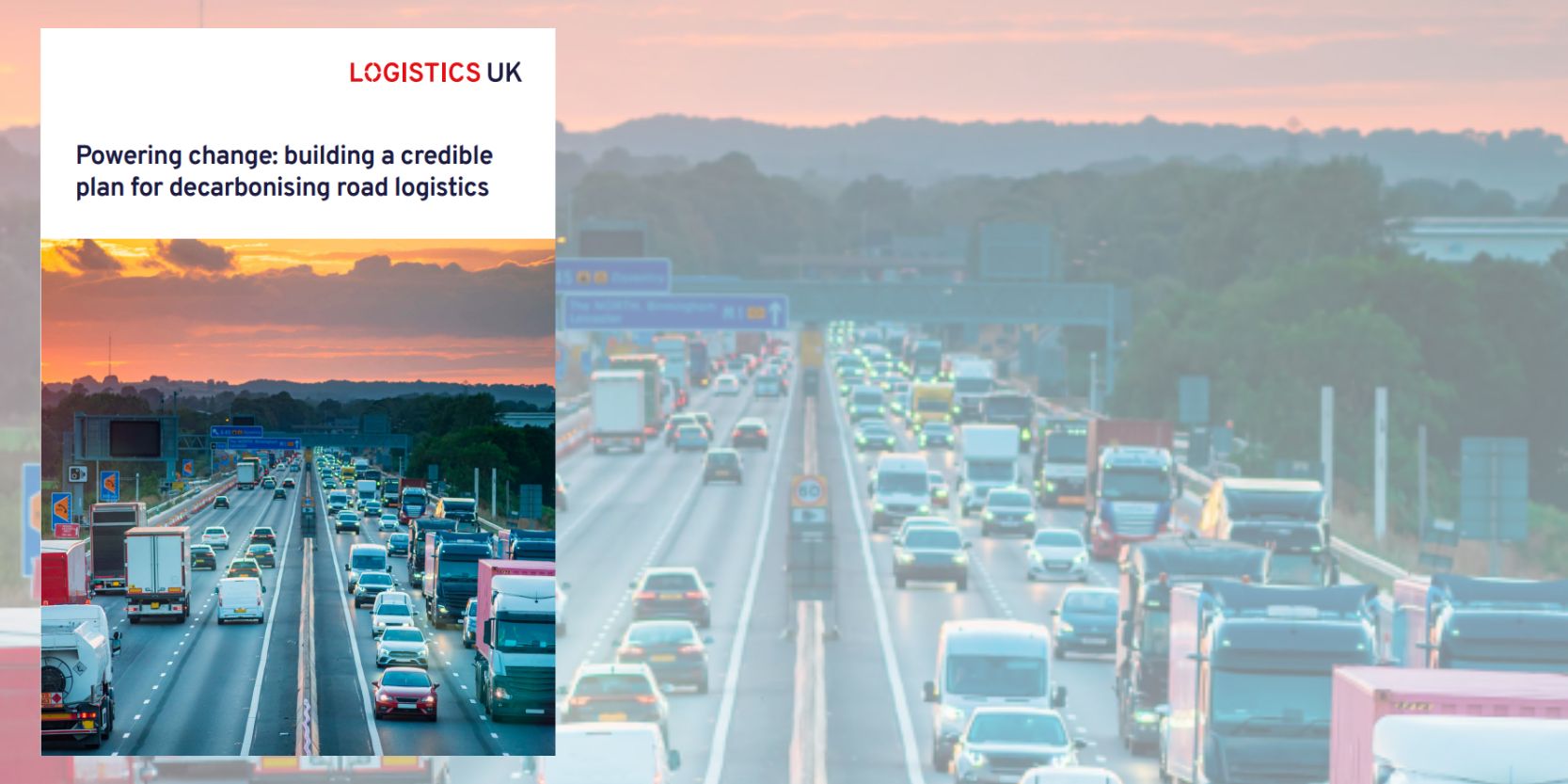
Powering change: building a credible plan for decarbonising road logistics
The Powering change report sets out the realities of the transition and the support industry needs. Drawing on survey data, interviews and national statistics, it highlights the growing gap between targets and readiness, and the barriers facing operators…
Featured Report
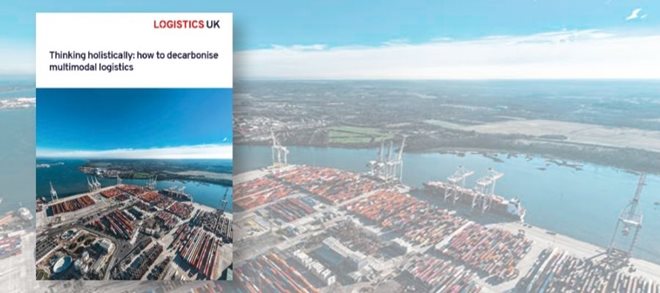
Thinking holistically: how to decarbonise multimodal logistics
Thinking holistically: how to decarbonise multimodal logistics. Logistics UK’s multimodal decarbonisation discussion paper 2026. Why UK multimodal logistics cannot decarbonise without system level coordination.
Featured Report
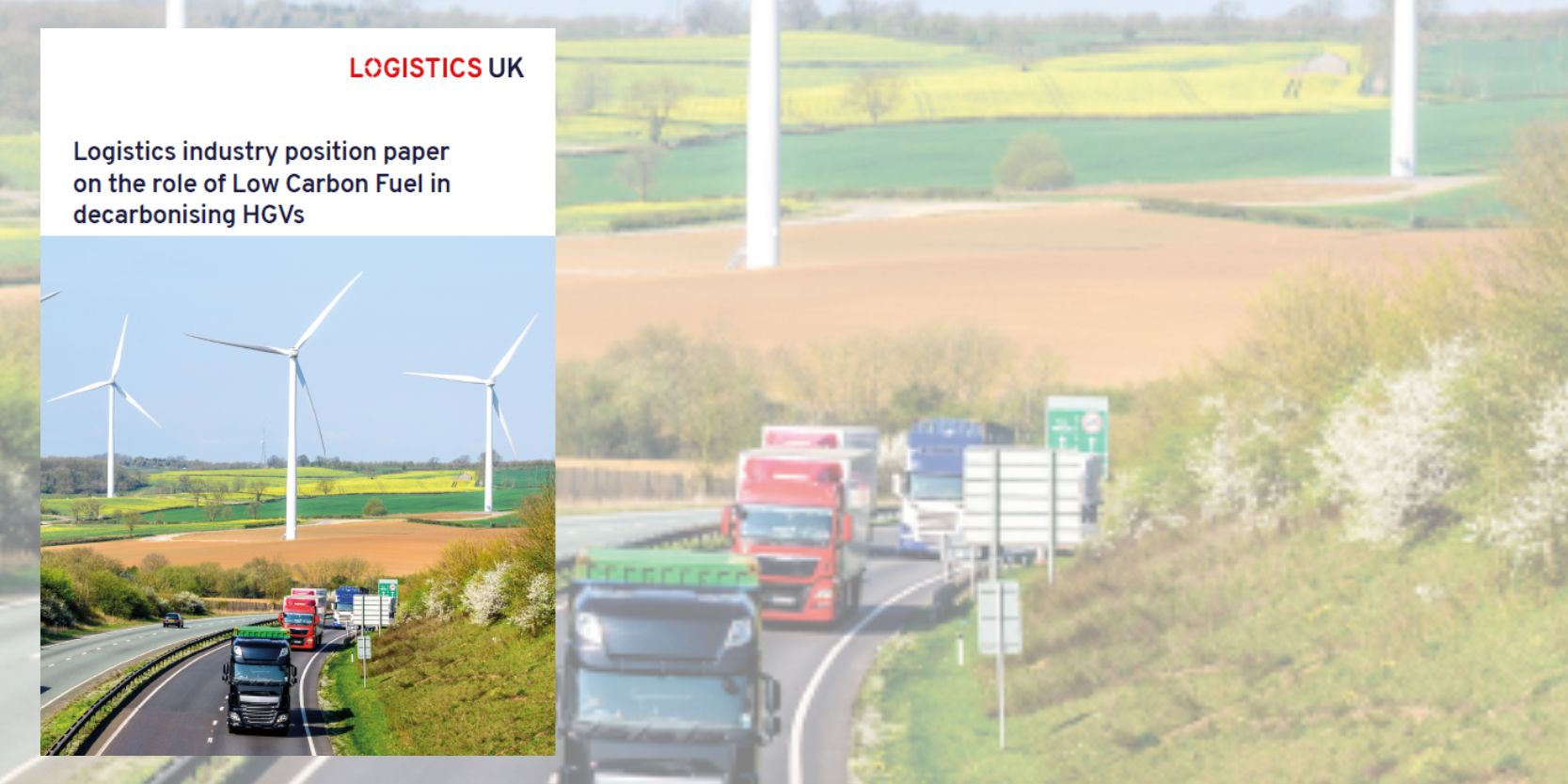
Logistics industry position paper on the role of Low Carbon Fuel in decarbonising HGVs
The role of Low Carbon Fuel in decarbonising HGVs, has been jointly developed with support from Zemo Partnership, Renewable Transport Fuel Association, Sustainable Business Consortium, John Lewis, Howard Tenens and XPO Logistics. The report looks at barriers to zero tailpipe emission technologies and why LCF must play a critical complementary role in the transition.
Featured Report
Exploring current and future energy demand from road freight
Logistics UK’s report, Exploring Current and Future Energy Demand from Road Freight, produced on behalf of the Department for Transport’s Freight Energy Forum explores the estimated significant increase in electricity demand for the road freight sector as it switches to zero tailpipe emission vehicles on the pathway to net zero.